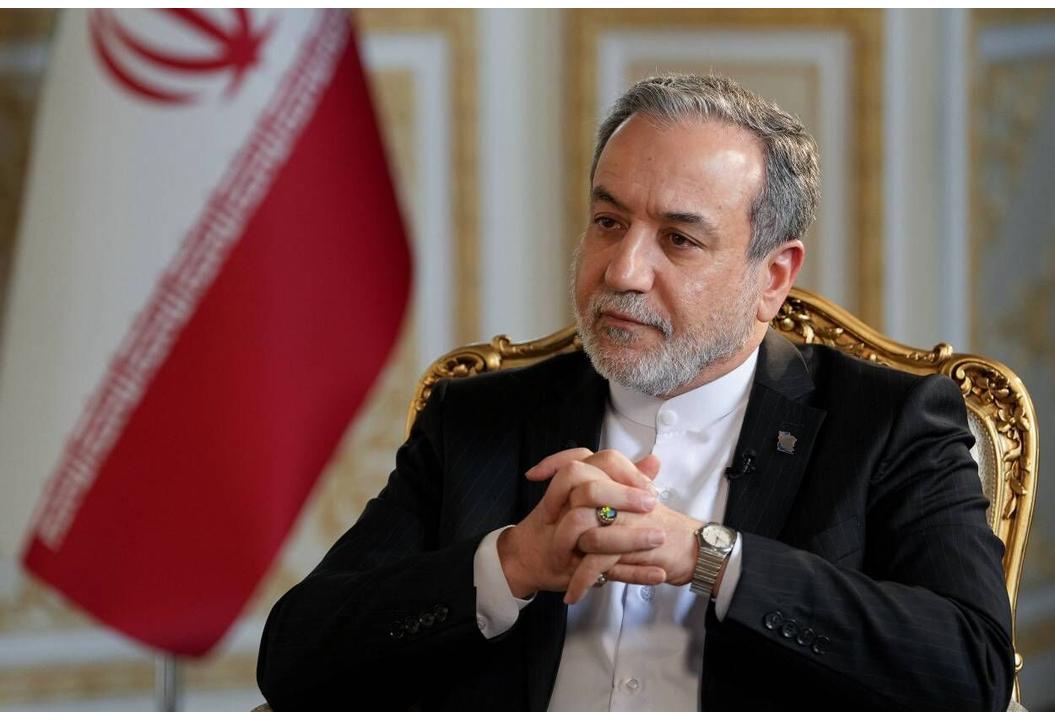
In an interview with Al Jazeera, the full transcript of which was published on his official Telegram channel on Sunday night, Araghchi said a proposal currently under discussion through Qatari and Pakistani mediation was based on Iran’s original seven-day plan, which Tehran presented during the UN General Assembly in New York in September.
Under the initial plan, the Strait of Hormuz would reopen on the sixth day if Iran’s conditions were met, and Iran-US negotiations would resume on the seventh day, according to Araghchi.
He said continued consultations among Iranian, Qatari, and Pakistani officials helped make the proposal more practical. A Qatari suggestion to shorten the seven-day timeline had led to a new two-day plan.
Under the revised proposal, the United States would take a series of measures on the first day, and the Strait of Hormuz would reopen on the second day, restoring maritime traffic to its previous state, he added.
Araghchi said the US measures required under the plan were not extraordinary and had already been outlined in the Islamabad memorandum of understanding signed by the two sides in mid-June. However, new developments since the memorandum was signed had created additional requirements.
He said Iran now expects Washington to lift the new sanctions imposed after the memorandum, reduce its military presence in the region to its previous level, lift the blockade, and implement the planned oil sanctions waivers.
“There is nothing extraordinary about these conditions, and all of them are feasible if the US side demonstrates goodwill, has a genuine will to reach an agreement, and is truly seeking a peaceful solution,” the foreign minister noted, adding that the proposal could pave the way for peace, normalize traffic through the Strait of Hormuz and help restore normal life in the region and beyond.
He said reopening the strategic waterway would be followed by talks on issues of interest to both sides. Iran wants to negotiate the complete lifting of sanctions, while the United States is interested in discussing the nuclear issue, he added.
“Our policy is clear: first, we must address the Strait of Hormuz and ensure its reopening through the implementation of Iran’s conditions. Then, we will discuss issues of interest to both sides and decide how to proceed. The Pakistani and Qatari mediators are trying to bring these two stages closer together and ensure that the measures taken help build trust,” the top diplomat said.
He identified a lack of trust as the biggest obstacle between Tehran and Washington, citing three instances over the past two years in which Iran was attacked while diplomatic efforts were underway.
Araghchi also recalled the 2015 nuclear deal, saying the United States had violated the agreement and withdrawn from it. He said Washington had again breached a memorandum of understanding signed by US President Donald Trump less than two weeks after it was concluded.
Given this record, he said, Iran was approaching negotiations with considerable caution and that the United States needed to take steps to build trust. He added that confidence-building proposals were currently under consideration as part of the ongoing consultations.
4194**9417